I build the infrastructure layer — and I get called when it has to hold up against something hard.
Production Kubernetes platforms, multi-cloud architecture, migrations that stay boring, and data infrastructure held to the same standard as everything else. Architect-led: you get the decision and the reasoning, not just the implementation — and a team that can run it without me.
Thirty minutes, no charge, no pitch. Describe the problem and you'll leave with an honest read on it — including whether you need someone like me at all.
- Based
- Stockholm · CET
- Practice
- Architecture-led
- Engagements
- Remote · EU on-site
- Design decisions
- Documented
- Clouds
- 3
- Certifications
- 5
- Typical cluster utilisation
- 35–50%
Every significant call recorded as an architecture decision record — options, trade-offs, and a recommendation with reasons.
AWS, Azure and Google Cloud — plus hybrid and bare metal when that's the right answer.
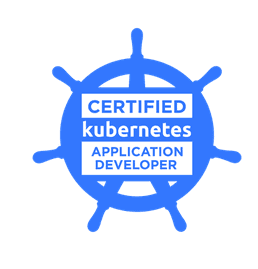
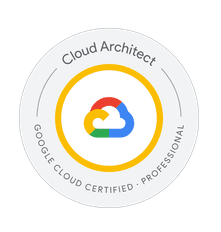
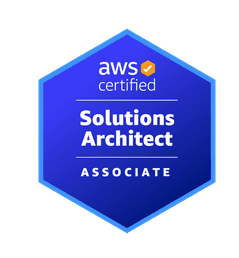
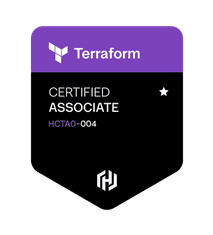
CKAD, GCP Professional Cloud Architect, AWS SA, Azure AZ-104, Terraform Associate.
The industry figure — and consistent with what I find when I first open a client’s clusters. Most teams size from configured limits, not observed usage.
01Verified credentials
Certified across every major cloud
Certs are a floor, not the pitch — systems that stayed up under real load are the real argument. But procurement checks, so here they are: five badges, every link verifiable.
02What I do
Six things I'm hired for
They're the same job seen from different angles. Every one of them is infrastructure that has to survive a real constraint — scale, regulation, cost, or a deadline.
- 01
Clusters your team can actually run
Platform & Kubernetes
Production and multi-tenant Kubernetes, internal developer platforms with self-service golden paths, and the cloud-native networking underneath. The part most teams underestimate is the network and the tenancy model — that's where I'm most useful.
- Kubernetes
- Cilium
- eBPF
- Istio
- Gateway API
- 02
Migration day should be boring
Cloud Architecture & Migration
Landing zone design and workload migration across AWS, Azure and GCP — and, increasingly, the return trip. Most migrations fail in the planning, not the execution, so that's where I spend the time.
- AWS
- Azure
- GCP
- Terraform
- OpenTofu
- 03
Data infrastructure, run like a platform
Data Platform Engineering
I don't build your dbt models — your analytics engineers are better at that. I make sure the platform underneath them is reliable, versioned, observable and not quietly costing a fortune.
- Airflow
- Dagster
- Kafka
- Strimzi
- Spark
- 04
Turn tribal knowledge into reviewed code
Automation & Infrastructure as Code
The pattern is always the same: one person knows how to do the thing, it takes three hours, it happens twice a week, and it breaks differently every time. That's a design problem, and the fix is usually smaller than people expect.
- Terraform
- OpenTofu
- Ansible
- Python
- Go
- 05
Everyone has a DR plan. Almost nobody has a tested one.
Reliability & Resilience
The boring half of infrastructure — the half that only matters on the worst day of the year, which is exactly why it never gets prioritised until after that day has happened.
- Prometheus
- Grafana
- Loki
- OpenTelemetry
- LitmusChaos
- 06
Between the people who can't implement and the people who can't read a regulation
Security & EU Compliance
Compliance consultants produce documents. Infrastructure engineers produce systems. What's usually missing is the person who can take an obligation and turn it into Terraform, an admission policy and an audit trail that survives an assessor.
- Kyverno
- OPA
- Vault
- Sigstore
- Trivy
03Selected work
What the work actually looks like
Client names are withheld under NDA, so these describe the sector and the scale instead. Each one leads with the constraint, because that's the part that made it hard.
04How I work
The method, not the mystique
Most architecture arguments are really disagreements about unstated requirements. Most migrations fail in the planning. This is how I avoid both.
- 01
Discovery before design
I start with what actually exists rather than what the documentation claims. Real dependencies, real traffic, real costs — and a written list of the questions nobody could answer. That list is usually the most valuable page.
- 02
Options, then a recommendation
Every significant decision gets two or three candidates with honest trade-offs and a recommendation with reasons, recorded as an architecture decision record. One option is a preference. Three with a recommendation is judgement.
- 03
Build with the failure condition defined
Rollback criteria on migrations, success criteria on proofs of concept, abort conditions on cutovers — written down before work starts, not improvised on the day.
- 04
Hand over properly
Reference implementations, runbooks, recorded walkthroughs. The measure of the work is whether it still runs well six months after I leave.
05Stack
What I work with
Breadth is the point. You cannot weigh three options honestly, or reason about where the second bottleneck is, unless you've seen a lot of systems.
- Cloud
- AWSAzureGoogle CloudIBM CloudHybrid & on-premise
- Kubernetes
- EKS / AKS / GKEOpenShiftSelf-managedOperators & CRDsHelmKustomizeKarpenter
- Networking
- Cilium / eBPFCalicoIstioLinkerdGateway APIEnvoyNGINX
- Infrastructure as Code
- TerraformOpenTofuCrossplaneCloudFormationAnsiblePacker
- Delivery
- Argo CDFluxGitHub ActionsGitLab CIJenkinsArgo RolloutsTekton
- Data
- AirflowDagsterKafka / StrimziSparkSnowflakeDatabricksBigQuery
- Observability
- PrometheusGrafanaLokiTempoThanosOpenTelemetryELK
- Security
- KyvernoOPAVaultSigstoreTrivyFalcoNIS2DORA
- AI Infrastructure
- Amazon BedrockKueueKServevLLMRayGPU Operator
- Languages
- PythonBashGoTypeScriptLinux
06Published
8 things I worked out and wrote down
Terraform precedence, DevSecOps pipelines, service mesh, regex. Mostly the problems that cost me a weekend, written up so they cost you an afternoon.
- 2024Implementing Security on Azure DevOps PipelinesDevSecOps·2 minDevSecOps2 min
- Discover the Power of Regex in DevOpsPractice·5 minPractice5 min
- 2023Understanding Terraform Variable Precedence OrderInfrastructure as code·3 minInfrastructure as code3 min
- DevSecOps: Implement Security Checks on GitLabDevSecOps·7 minDevSecOps7 min
- 2022Why Service Mesh Is Necessary TodayPlatform & networking·4 minPlatform & networking4 min
- Own Your Retro Nintendo Games Collection on a GitHub PageSide projects·5 minSide projects5 min
- Terraform: Production-Grade IaC CodingInfrastructure as code·16 minInfrastructure as code16 min
- DevSecOps: Implement Security on a CI/CD PipelineDevSecOps·9 minDevSecOps9 min
Published on Medium. Links open off-site.
07Teaching
I also teach this. Badly-taught DevOps is why so much of it is done badly.
Most courses teach you to run commands. Almost none teach you to make the decision — why this CNI, why this tenancy model, what you give up when you pick the easy option. That’s the part that takes a decade to learn and about a day to explain properly.
- 01
1:1 mentoring
For engineers moving from DevOps into platform or architecture roles. Real systems, real reviews, not exercises.
- 02
Team workshops
Kubernetes, GitOps, Terraform, cloud-native networking — taught against your actual stack rather than a lab.
- 03
Architecture coaching
For teams who have the skills but keep making decisions they regret six months later.
08Next step
Tell me what's broken.
Or what you're trying to build. I'll give you an honest read on it before either of us commits to anything — and if I don't think I'm the right person for the job, I'll say so on that call.
Stockholm, Sweden (CET) · Comfortable overlap with European hours and US East Coast mornings
- 01
You write
A paragraph is enough. What's breaking, or what you're trying to build.
- 02
We talk
Thirty minutes, no charge. I'll tell you what I'd look at first.
- 03
You get a scope
Fixed price, fixed deliverable, written down before anyone commits.